
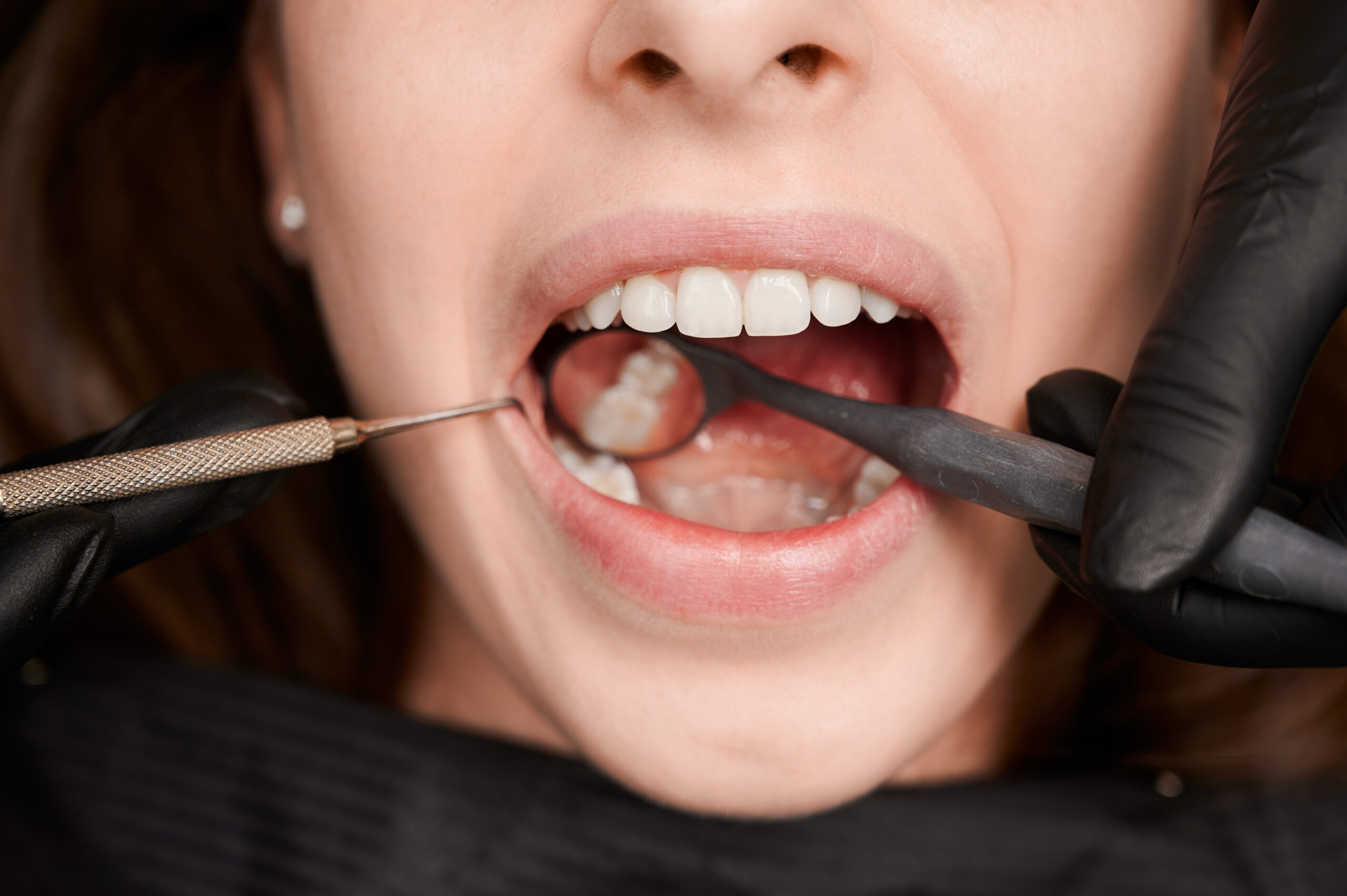
You just left the dentist with a fresh dental filling, and you’re wondering how long it will actually hold up. Your neighbor says hers lasted fifteen years. Your coworker just had his replaced after five. Same procedure, very different results. So what’s actually going on?
The truth is, the lifespan of dental fillings isn’t random. It’s a mixture of things you don’t often hear about. At Clove Dental Beverly Hills, we think it’s important to arm our patients with the right information. Let’s take a closer look.
Size Matters More Than People Realize
Small dental fillings placed early, when a cavity is still minor, tend to last significantly longer than large ones. A small filling affects only a fraction of the tooth, leaving a strong natural structure all around it. A large filling, on the other hand, takes up more space and is under far greater pressure every time you chew. The more natural teeth that are replaced, the harder the filling has to work and the faster it can wear down or crack.
This is one of the strongest arguments for catching decay early. Waiting doesn’t just mean a bigger cavity; it means a shorter-lasting restoration.
Where the Filling Is Placed Changes Everything
Not all teeth are created equal and neither are all surfaces on a tooth. A filling on the biting surface of a back molar endures far more force than one tucked between the front teeth. Back molars are the workhorses of your mouth. They handle the bulk of chewing pressure, which adds significant wear over time.
Location also affects moisture control during placement. Dental fillings placed in hard-to-reach areas can be more challenging to bond correctly, which can compromise longevity right from the start, even when the dentist does everything right.
Your Bite Can Break a Perfectly Done Filling
A misaligned bite places uneven pressure on certain teeth and any dental fillings sitting on those teeth bear the brunt of it. If your upper and lower teeth don’t meet evenly, one filling might absorb three times the force it was designed for.
That’s why a good dentist always checks your bite after placing a filling. Small adjustments can add years to how long it lasts. If you’ve had multiple fillings fail earlier than expected, your bite pattern is worth evaluating.
Grinding, Clenching, and Night Pressure
Grinding or clenching your teeth is common; it often happens during sleep, without you realising. This condition, called bruxism, creates forces much greater than those used when chewing. It’s a leading cause of premature dental filling failure.
Jaw pain, headaches, and teeth looking shorter than usual when you wake up are common signs of grinding. Your fillings and teeth can be spared the wear and tear of this silent nighttime habit with a custom night guard.
The Edge Problem: How Micro-Gaps Lead to Early Failure
Even the best dental fillings eventually develop tiny gaps at the edges, the margin between the filling and the tooth. At first, you can’t see these micro-gaps with the naked eye, but bacteria don’t need a lot of room. If they get in there, cavities can develop between the tooth and the filling, known as secondary cavities.
That’s why dental check-ups are important. By identifying edge breakdown early, the dentist can keep an eye on it or replace the edge before having to replace the entire filling.
Material Choice Isn’t Just About Appearance
Not all filling materials are created equal and which you choose depends on the circumstances. Here is a quick comparison-
- Composite- Looks natural, adheres well but can wear down more quickly if subject to heavy biting.
- Amalgam- Very strong and lasts a long time (10-15+ years) but less popular for cosmetic reasons.
- Ceramic/porcelain inlays- Long-lasting, very natural-looking, suitable for large fillings.
- Gold- Longest lasting but not used because of cost and appearance.
Your dentist should select the material to fill your cavity based on the size, location, your biting forces, and your cosmetic concerns, not just one of these factors.
The Habits That Shorten the Life of a Filling
Behavior plays a bigger role in determining longevity than most people expect. Habits like chewing ice, biting nails, opening packages with your teeth, or regularly eating hard candies add excess stress to your dental fillings over time.
Sugary and acidic foods also matter. A diet high in soda, citrus, or sticky sweets accelerates enamel erosion around fillings, making the edges vulnerable. Good oral hygiene, brushing twice daily and flossing consistently, keeps bacteria from exploiting those edges.
Why Two Patients with the Same Filling Get Different Results
By now, the answer becomes clear. Two patients can receive identical dental fillings on the same day, same material, same technique and have completely different outcomes five years later. One grinds at night and eats a high-sugar diet. The other has a balanced bite, attends regular check-ups, and avoids hard foods.
The filling itself is only part of the equation. The environment in which it lives, in your anatomy, your habits and your oral hygiene, determines how long it survives.
When a Filling Needs Replacement vs. When It Can Be Monitored
Not every aging filling needs to come out immediately. Dentists are looking for signs that a filling has failed, rather than just needs monitoring. The most common signs that fillings need replacing include-
- Visible cracks or fractures in the filling material.
- Tooth sensitivity that didn’t exist before.
- X-ray evidence of decay underneath the filling.
- A filling that feels loose or has shifted.
Minor edge wear without active decay, on the other hand, can often be watched and documented over several visits before any action is needed. Your dentist should explain exactly what they’re seeing and why.
Conclusion
The difference between a five-year filling and a fifteen-year filling rarely comes down to luck. It comes down to size, location, material, your bite, your habits, and how consistently you show up for care. Dental fillings are an investment and like any investment, they respond to how well you manage the surrounding conditions.
At Clove Dental Beverly Hills, we take the time to match every restoration to your specific needs, not a one-size-fits-all approach. Whether you’re due for a check-up, concerned about an existing filling, or want to understand your options, we’re here to help you make informed decisions about your smile.