
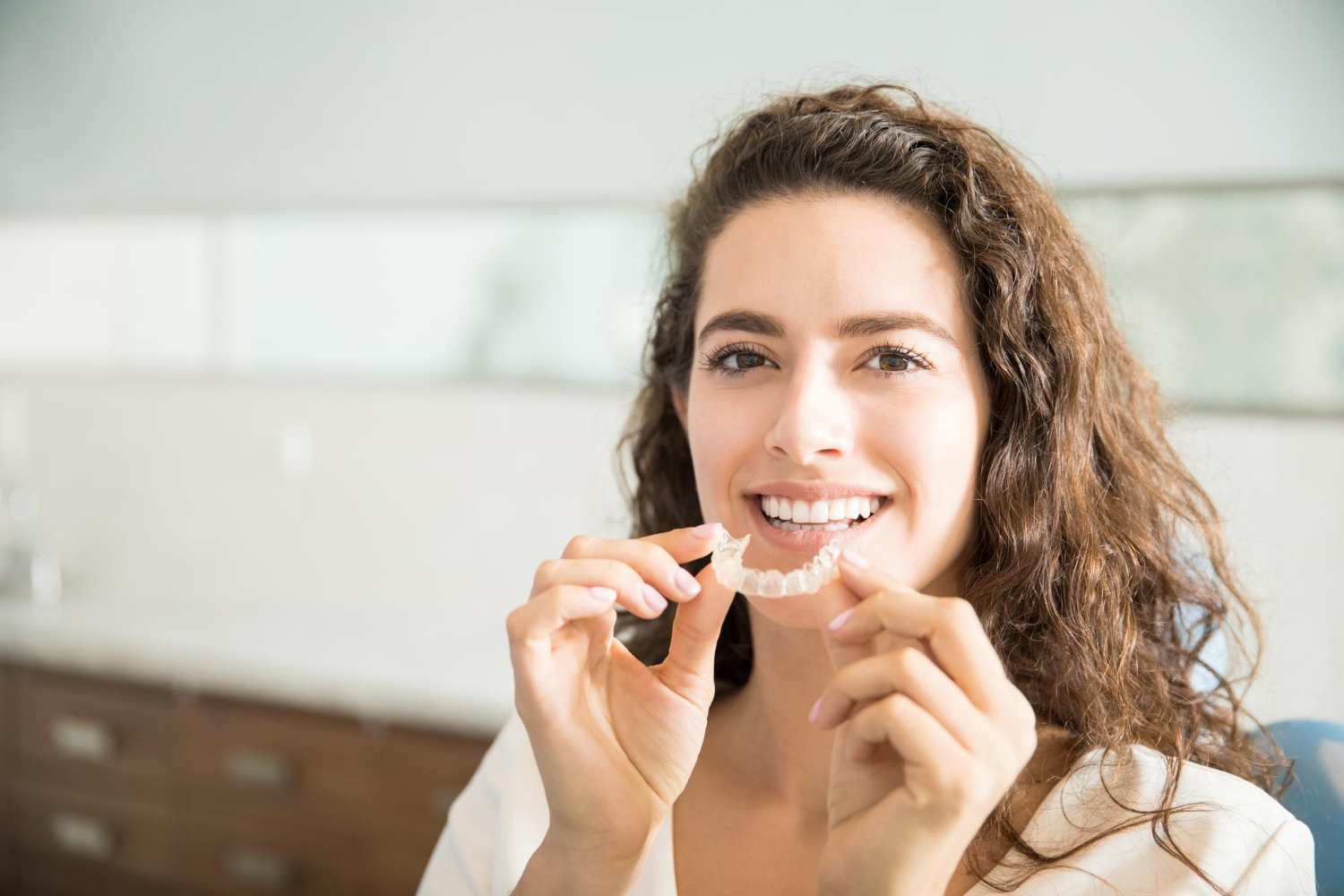
Most people research the basics before starting Invisalign treatment, clear trays, no metal brackets, take them out to eat. What rarely gets explained is everything happening underneath that simple surface pitch. The small tooth-colored bumps attached to certain teeth, the mid-treatment adjustments nobody warns you about. And the retainer phase that decides whether your results last, these details shape the experience far more than the marketing material ever mentions.
We want to walk through the parts of Invisalign treatment that tend to get skipped over, because understanding them upfront changes how you experience the whole process.
Those Little Bumps Are Doing More Work Than You’d Think
Attachments are small, tooth-colored composite shapes bonded directly onto certain teeth before your trays start working. They look almost invisible once in place, but their job is anything but decorative.
Aligner trays rely on precise pressure points to move teeth in specific directions, and smooth enamel alone doesn’t always give the tray enough grip to execute complicated movements like rotation or extrusion.
Attachments give the plastic something to hold onto, essentially acting as handles the tray can push or pull against. Not every case needs them, but for teeth that require rotating or shifting vertically, Invisalign treatment often depends heavily on these small additions to achieve the planned movement.
Refinements: The Phase Almost Nobody Talks About Publicly
Here’s something that catches a lot of patients off guard. Reaching the end of your original tray set doesn’t always mean treatment is finished. Teeth sometimes respond slightly differently than the digital plan predicted. Moving a bit slower in certain areas or settling at an angle that needs fine-tuning.
When that happens, new scans get taken and a fresh set of trays, called refinements, gets ordered to close that final gap between predicted and actual results. This isn’t a failure of the treatment plan, it’s a built-in part of how Invisalign treatment accounts for the unpredictability of how real teeth move compared to a computer simulation.
Why Chewing Habits During Treatment Matter
Something rarely discussed clearly: how you chew during treatment can influence how well your trays seat properly each day. Chewies, small cylindrical foam tools, help push trays fully down onto the teeth, especially around areas with attachments where gaps can form if the tray isn’t seated all the way.
Skipping this step regularly can slow progress since a tray that isn’t fully seated doesn’t apply the intended pressure. Patients who stay consistent with chewies throughout Invisalign treatment often move through their trays more predictably than those who skip this small daily habit.
The Wear-Time Math Behind the Twenty-Two Hour Rule
Everyone’s heard the twenty-two hours a day guideline, but few understand why that specific number exists. Tooth movement relies on sustained, consistent pressure. Removing trays too often interrupts that pressure cycle, and teeth can begin shifting back toward their original position during those gaps.
Even losing two or three hours of wear time daily, compounded across weeks, adds up to a meaningfully slower treatment timeline. This is one of the more overlooked reasons Invisalign treatment sometimes takes longer than originally estimated, not because the plan was wrong, but because daily wear time slipped below what the movement required.
Retention: The Step That Decides If Any of This Lasts
Once trays are finished, the real test begins. Teeth sit in a mix of bone, ligament, and soft tissue that hasn’t fully adapted to the new positions yet, and without a retainer holding them there, they’ll drift back over time.
This drift isn’t gradual over years, it can start within days of stopping retainer wear. Some patients wear clear retainers full-time for several months before shifting to nighttime-only wear, while others need a permanent bonded wire behind their front teeth for extra insurance. Skipping this phase is one of the most common reasons results from Invisalign treatment don’t hold up the way patients expected a year or two later.
The Sensitivity Pattern Most Patients Don’t Expect
New trays typically bring a day or two of pressure and tenderness, which is normal since each new set is designed to nudge teeth slightly further than the last. What surprises people is how this sensation follows a pattern rather than staying random, worse for the first forty-eight hours, then noticeably fading as the tray settles in. Understanding this rhythm ahead of time makes the discomfort feel far more manageable than going in blind.
Bringing These Pieces Together
None of these details are secrets exactly, but they rarely get explained clearly before someone starts treatment.
Attachments enable movements smooth plastic alone can’t achieve. Refinements account for the gap between prediction and reality. Retention determines whether the whole investment holds up long term.
At Clove Dental Beverly Hills, we walk patients through every one of these stages before the first tray ever goes in, because Invisalign treatment works best when expectations match what’s happening chairside and at home. Knowing what’s coming at each stage makes the process feel far less unpredictable and a lot more like something you’re actively steering rather than just waiting through.