
A tooth can be cavity-free, perfectly white, and still be in real trouble if the gum holding it in place is quietly falling apart underneath. That’s the part most people never connect until a dentist points to an X-ray and shows bone loss they never felt happening. Gums don’t just frame your smile, they anchor everything. When that foundation weakens, even the strongest tooth eventually loses its grip, which is exactly why so many general dentists end up pointing patients toward a “gum specialist near me“ search the moment something looks off below the gumline.
We want to walk through why gum health gets treated as its own specialty, what triggers that referral, and what a lot of people miss about the connection between their gums and the rest of their body.
Your Gums Are Doing More Engineering Than You Realize
Think of your gums less like soft tissue and more like the foundation of a house. A house can have beautiful walls and a solid roof, but if the foundation shifts, none of that matters for long. Gum tissue holds a delicate seal around each tooth, and beneath that seal sits bone that keeps the whole structure locked in place.
Once bacteria work their way past that seal, the bone underneath starts eroding slowly, often without any pain signaling it’s happening. This is one of the trickiest parts of gum disease, damage builds for years before symptoms show up loud enough to notice.
The Depth Measurement That Tells the Real Story
Here’s something rarely explained clearly in blogs about gum health. During a checkup, dentists measure something called pocket depth, the tiny gap between your tooth and gum tissue, using a small probe at several points around each tooth. Healthy pockets measure one to three millimeters.
Once measurements start climbing past four or five, that’s often the exact trigger point where a general dentist starts recommending a “gum specialist near me” instead of continuing treatment in-house. Those millimeters aren’t just numbers on a chart, they represent how much bone support has already been lost around that particular tooth.
Why This Isn’t Just a Mouth Problem
Something that gets mentioned far too rarely: gum disease has documented connections to health issues well beyond the mouth.
Chronic gum inflammation has been linked to higher risks of heart disease, since bacteria from infected gum tissue can enter the bloodstream and contribute to inflammation elsewhere in the body.
Diabetes and gum disease also feed into each other in both directions, uncontrolled blood sugar makes gum infections worse, and gum infections can make blood sugar harder to control. This two-way relationship is a big reason why searching for a “gum specialist near me” isn’t just about saving a tooth, it’s tied into broader health management for a lot of patients.
Scaling and Root Planing: The Deep Clean Regular Cleanings Can’t Match
A standard cleaning handles the surface. Once gum disease has progressed, a deeper procedure called scaling and root planing becomes necessary, smoothing out the root surface below the gumline where regular tools simply can’t reach effectively.
This isn’t just a longer cleaning, it’s a targeted procedure aimed at removing bacterial buildup that’s collected in those deeper pockets. Many patients searching for a “gum specialist near me” end up here first, before any surgical option is even discussed, since this step alone reverses a surprising amount of early to moderate gum disease.
When Gum Recession Becomes Its Own Separate Issue
Recession, where gum tissue pulls back and exposes more of the tooth root, often gets lumped in with general gum disease, but it can happen for entirely different reasons, aggressive brushing, teeth grinding, or genetics playing a role even in patients with otherwise clean, healthy mouths.
Exposed roots are more sensitive and more vulnerable to decay since they lack the protective enamel layer covering the rest of the tooth. Addressing recession sometimes involves grafting tissue back over the exposed area, a procedure that falls squarely within what a “gum specialist near me” typically handles.
What Changes Once You’re in a Specialist’s Chair
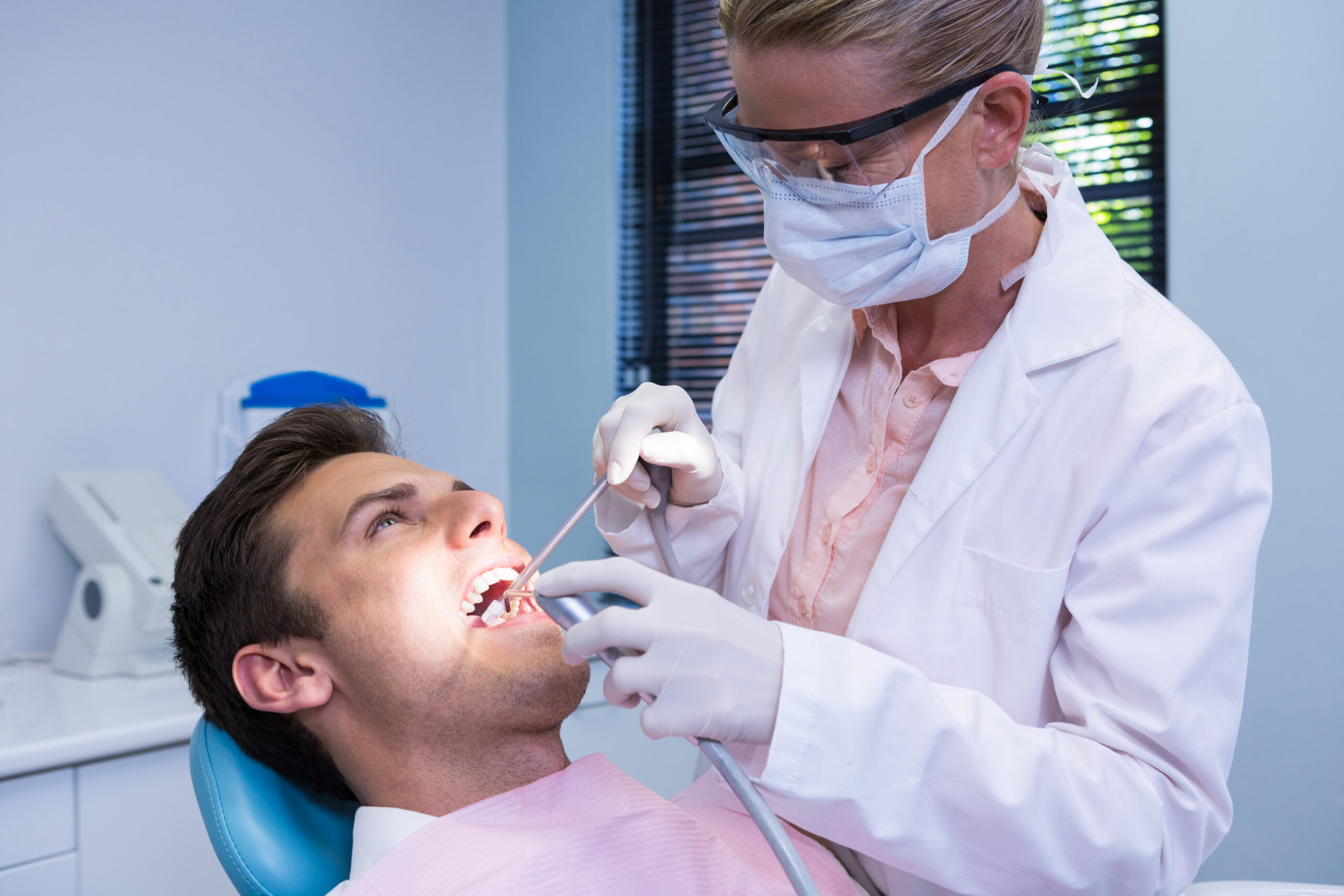
The environment shifts once gum treatment moves to a specialist. Expect more detailed measurements taken at every visit, more conversation about home care technique, and sometimes laser-assisted treatment options that target inflamed tissue with more precision than traditional tools.
Maintenance visits also tend to happen more frequently, often every three months instead of the standard six, since gum tissue that’s been treated needs closer monitoring to stay stable long term.
The Habit That Prevents Most of This Entirely
Consistent flossing genuinely changes this trajectory more than most people expect. Bacteria between teeth is exactly what triggers the inflammation that eventually deepens those pockets we mentioned earlier.
Patients who floss daily show measurably shallower pocket depths over time compared to those who skip it, even with identical brushing habits otherwise.
At Clove Dental Beverly Hills, we check gum measurements at every visit precisely because catching this early avoids the deeper interventions altogether. If your dentist has mentioned pocket depths creeping up or recommended looking into a “gum specialist near me”, it’s worth treating that seriously. Rather than waiting, since gum tissue responds far better to early treatment than to damage that’s already settled into the bone.