
Your grandparents probably didn’t sip sparkling water flavored with citric acid, snack on protein bars packed with hidden sugars, or drink bottled water that skips the fluoride found in most tap water. Their teeth dealt with a different set of daily attacks than yours do now. That shift matters more than people realize, and it’s a big reason why fluoride treatment in Beverly Hills has become a regular recommendation for adults, not just kids sitting in a pediatric chair.
We want to walk through what’s actually changed about the way we eat, drink, and live, and why enamel today needs a different kind of backup than it used to.
Enamel Wasn’t Built for This Century’s Diet
Tooth enamel formed its defenses over thousands of years, mostly against whole foods and naturally occurring sugars. It wasn’t designed with constant grazing in mind, the kind where someone sips a flavored latte at nine, snacks on dried fruit at eleven, and drinks a sports beverage by early afternoon.
Every one of those moments drops the pH inside your mouth, and enamel spends the day going through repeated cycles of acid attack and partial recovery. Fluoride treatment in Beverly Hills works directly against this cycle by helping enamel rebuild its mineral strength faster than these frequent acid dips can wear it down.
The Bottled Water Blind Spot
Here’s something almost nobody connects until a dentist points it out. Fluoridated tap water used to be a background layer of protection most people got without even trying. Now, with bottled and filtered water dominating so many households, that background protection has quietly disappeared for a lot of people.
Reverse osmosis systems and most bottled brands strip fluoride out entirely. Patients who switched to bottled water for taste or convenience often don’t realize they’ve also switched off a layer of daily enamel defense they used to get automatically. This gap alone has pushed more adults toward asking about fluoride treatment in Beverly Hills during regular visits.
Stress Habits Are Wearing Teeth Down Faster
Grinding and clenching have climbed noticeably in recent years, and dentists connect a good portion of that to daily stress levels. When enamel gets thinned by grinding, the protective outer layer becomes less effective at blocking sensitivity and decay.
A tooth with worn enamel is more vulnerable to the same acid cycles mentioned earlier, creating a kind of compounding effect. Reinforcing that thinner enamel through fluoride treatment in Beverly Hills gives it a better shot at holding up against pressure it wasn’t originally built to handle at that level.
Medication Side Effects Nobody Warns You About
A less discussed factor: a huge number of common medications, antihistamines, blood pressure prescriptions, antidepressants, cause dry mouth as a side effect. Saliva plays a bigger protective role than most people give it credit for, washing away food particles and neutralizing acid naturally throughout the day.
When saliva production drops from medication use, that natural defense weakens right along with it. Dentists have started factoring medication lists into fluoride recommendations more than they used to, because a dry mouth genuinely changes how much outside reinforcement a tooth needs.
What Fluoride Really Does Once It’s Applied
Fluoride doesn’t just sit on the surface. It gets absorbed into the outer layer of enamel and helps rebuild areas that have started losing minerals, a process called remineralization. It also makes the enamel more resistant to future acid attacks by changing its chemical structure slightly, forming a compound that’s tougher to dissolve.
A professional application delivers a much higher concentration than toothpaste alone can provide, which is why the in-office version does work that daily brushing can’t fully replicate on its own.
Who’s Walking In For This Now
The audience asking for this has shifted noticeably. It’s not just parents bringing in children anymore.
- Adults recovering from orthodontic treatment,
- patients managing dry mouth from medication,
- people who’ve noticed new sensitivity to cold drinks, and
- anyone who switched entirely to bottled water are all showing up more often.
This broader range of patients reflects how much daily habits have changed rather than any change in fluoride itself.
Fitting This Into a Normal Dental Visit
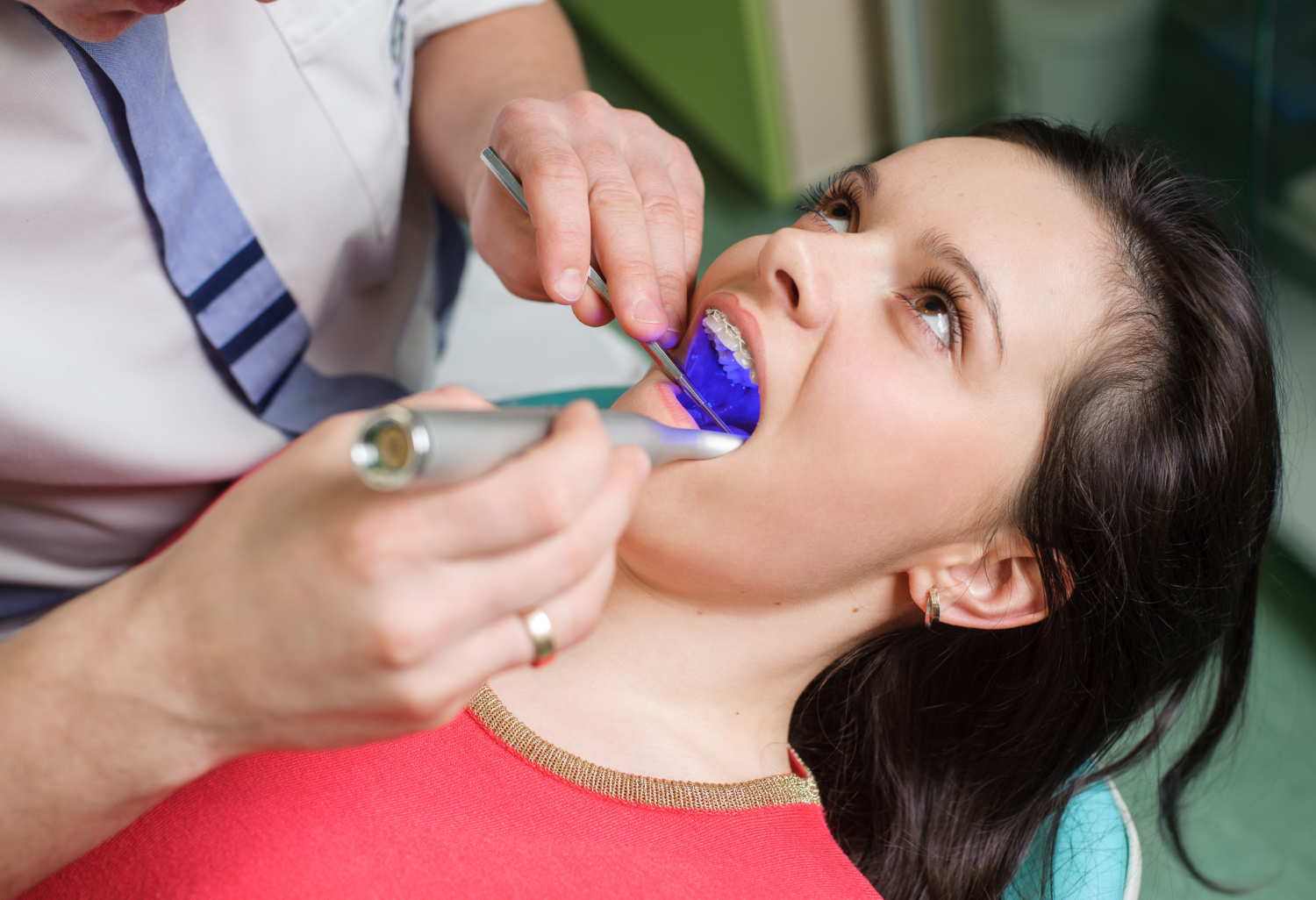
The application itself takes just a few minutes and usually happens right after a cleaning. A varnish or gel gets applied directly to the teeth, and patients are typically asked to avoid eating or drinking for a short window afterward so it has time to absorb properly. It’s a small addition to an existing appointment, not a separate ordeal requiring extra scheduling.
At Clove Dental Beverly Hills, we look at each patient’s actual lifestyle, water source, medications, snacking patterns, before deciding how often fluoride treatment in Beverly Hills makes sense for them. Enamel protection isn’t one-size-fits-all anymore, and matching the recommendation to how someone actually lives their day makes a real difference in how well it works.
The Bigger Takeaway
Modern habits created modern gaps in enamel protection, quietly and gradually enough that most people never noticed the shift happening.
Recognizing where those gaps come from, water source, medication, stress, snacking patterns, makes it a lot easier to understand why this simple treatment has become such a regular part of dental visits for people well beyond childhood.