
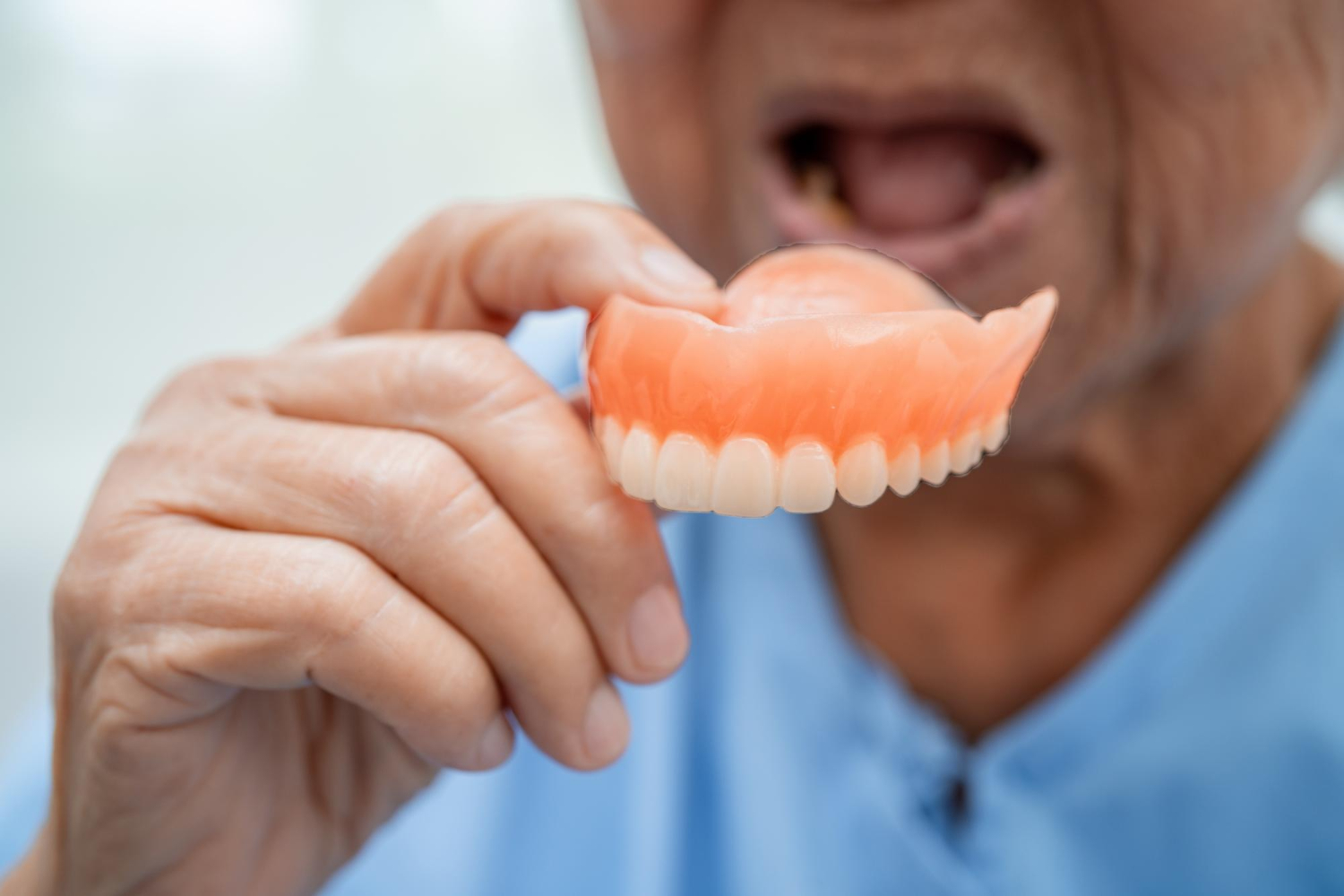
Losing several teeth scattered across your mouth creates a different kind of puzzle than losing just one. A single gap has a fairly straightforward fix. Multiple gaps in different spots, some on the upper arch, some lower, some toward the back where visibility barely matters, force a bigger decision about how to rebuild your bite without overcomplicating the process.
This is exactly the situation where partial dentures in Beverly Hills come up as an option, and it’s worth understanding how they stack up against fixed alternatives before deciding which direction exactly fits your mouth.
We’ll walk through what makes a partial different from other tooth replacement methods, where it holds up well, and where it starts to show its limits compared to fixed options.
Not Every Missing Tooth Situation Calls for the Same Fix
Fixed bridges and implants work well when you’re dealing with one gap, or maybe two gaps close together. But when teeth are missing in several separate locations across the same arch, replacing each gap individually with its own bridge or implant gets expensive and complicated fast. This is where partial dentures in Beverly Hills earn their place; a single removable appliance can address multiple gaps at once using one framework, rather than treating each missing tooth as its own isolated project.
The Metal Framework Doing the Real Work
Most partials rely on a cast metal framework, usually made from a cobalt-chromium alloy, that fits precisely around your remaining natural teeth.
This framework isn’t just a base holding false teeth in place, it’s engineered to distribute chewing pressure across your existing teeth and gum tissue evenly, so no single tooth ends up absorbing more force than it can handle.
Getting that framework fit exactly right takes multiple appointments and careful impressions, because a poorly fitted framework can stress the remaining natural teeth rather than protecting them.
Clasps: The Detail That Decides How Visible Your Partial Is
Here’s something rarely explained well. The clasps that grip onto your natural teeth to hold the partial in place come in different styles, and the choice affects both stability and how visible the appliance is when you smile.
Traditional metal clasps are the most secure but can catch light and show slightly, especially on front teeth. Flexible resin-based partials use gum-colored clasps that blend in far better but sometimes offer less rigid retention over time. Choosing between these isn’t a minor cosmetic detail, it directly shapes how confident someone feels wearing partial dentures in Beverly Hills day to day.
The Adjustment Period Nobody Prepares You For
New partials feel foreign at first, and that’s normal, not a sign something went wrong. Speech often sounds slightly different for the first week or two, particular sounds involving the tongue pressing against the roof of the mouth take longer to adjust to.
Saliva production temporarily increases too, since your mouth treats the new appliance as something worth flushing out initially. Most of this settles within two to three weeks as muscles and tongue positioning adapt to the new shape sitting in your mouth.
Where Fixed Options Pull Ahead
Fixed bridges and implants don’t come out at night, don’t require special cleaning routines separate from regular brushing, and don’t rely on remaining teeth for structural support the way partials do.
For someone missing just one or two teeth in a row, a fixed solution often feels more seamless day to day. Partials also require a slight adjustment in how you bite into certain foods, very sticky or hard items can dislodge a partial more easily than they would affect a fixed replacement anchored permanently in place.
Where Partials Genuinely Win
Cost is one clear advantage, partials typically run significantly less than replacing each gap with individual bridges or implants, which matters a great deal when several teeth are missing across different areas.
They’re also reversible and adjustable; if more teeth are lost later, the framework can often be modified to accommodate new gaps rather than starting an entirely new appliance from scratch. For patients not medically eligible for implant surgery, whether due to bone density or other health factors, partial dentures in Beverly Hills often become the most realistic path forward rather than a fallback choice.
Cleaning Habits That Actually Extend Their Lifespan
Partials need to come out for cleaning every night, brushed gently with a non-abrasive cleaner rather than regular toothpaste, which can be too abrasive for the metal and acrylic components.
- Soaking overnight in a denture-specific solution keeps the appliance from drying out and warping slightly, which can throw off the precise fit built during those earlier appointments.
- Skipping this nightly routine is one of the fastest ways a well-fitted partial starts feeling loose within just a year or two.
Making the Right Call for Your Mouth
At Clove Dental Beverly Hills, we map out exactly where your gaps sit, how many remaining teeth you have to anchor a framework onto, and your budget realities before recommending a direction.
If you’re weighing partial dentures in Beverly Hills against fixed alternatives, the right answer usually comes down to how many teeth are missing, where they’re located, and how much daily maintenance you’re genuinely willing to commit to.