
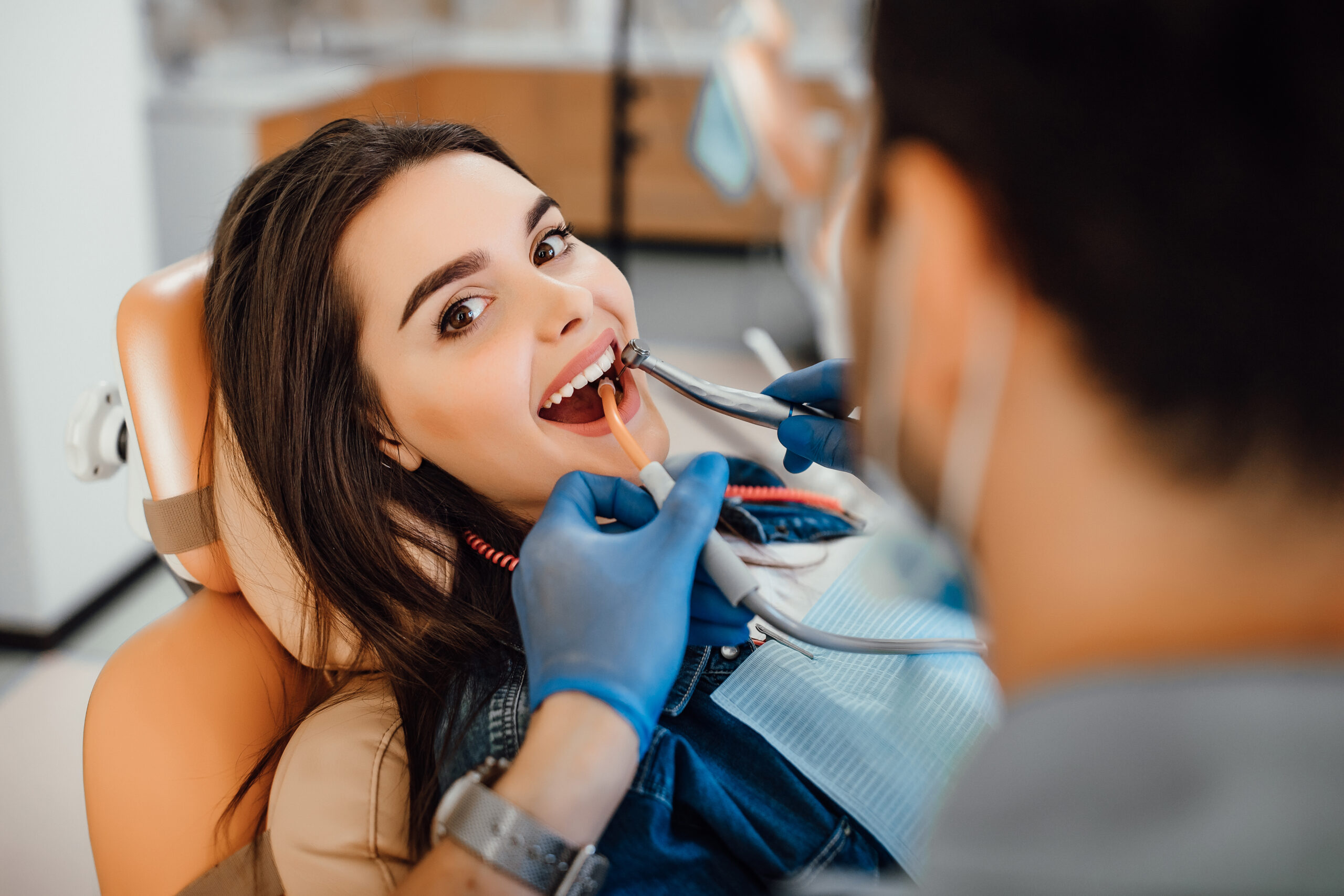
You’ve seen countless tips online for soothing toothaches and whitening teeth at home. But how do those ideas stack up against a dentist’s chair? This blog compares home remedies to seeking dental health, so you can protect your smile with confidence and common sense.
What Home Remedies Can (and Can’t) Do
Safe, Science-backed Steps You Can Use At Home
Fluoride Toothpaste And Gentle Brushing
Twice-daily brushing with a soft brush and a fluoride toothpaste is still your best at-home defense. Fluoride helps remineralize enamel and resist early decay; technique and consistency matter more than trendy hacks.
Cleaning Between Teeth (String Floss Or Water Flosser)
Plaque hides where your brush can’t reach. Daily interdental cleaning reduces gum inflammation and lowers cavity risk between teeth. Pair it with brushing for a complete routine.
Saltwater Rinses For Minor Irritation
A warm saltwater rinse can soothe sore gums or mild irritation and is often recommended for short-term relief. It’s not a cure for infection, but it may ease symptoms until you can get care.
Sugar-free Gum (Especially With Xylitol) After Meals
Chewing sugar-free gum boosts saliva, which helps neutralize acids and wash away debris. ADA-Seal gums may also support enamel remineralization; look for the ADA Seal on packaging.
Baking Soda: Occasional, Gentle Use
Baking soda can help lift surface stains thanks to mild abrasivity and pH effects. Use sparingly and gently so you don’t wear down enamel, and never as a replacement for fluoride toothpaste.
Popular “Fixes” To Rethink (And Why)
Oil Pulling: Limited, Mixed Evidence
Some studies suggest oil pulling can lower plaque or gingival scores, but evidence quality is limited and results are inferior to proven rinses like chlorhexidine. It should not replace brushing, flossing, or fluoride.
Charcoal Powders/pastes: Abrasion And Low-fluoride Concerns
Charcoal products can be abrasive, risking enamel wear and sensitivity—many also lack fluoride. Evidence does not show meaningful anti-caries benefits; proceed with caution.
Hydrogen Peroxide: Dilute, Short-term Only
Properly diluted peroxide rinses may reduce plaque and gingivitis markers, but frequent or strong use can irritate tissues. Stick to low-concentration, short-term use only—never swallow—and favor ADA-approved products.
“Aspirin On The Tooth” Is A Myth
If you use aspirin for pain, swallow it as directed. Putting it on your gums can burn soft tissue and won’t treat the cause.
Clove Oil: Brief Numbing, Not A Fix
Clove oil (eugenol) can numb temporarily, but it doesn’t treat infections. Use sparingly and seek care if symptoms persist.
The Hard Limit Of Home Care: Tartar
Plaque can be removed at home; tartar (hardened plaque) cannot. Once deposits calcify, only a professional cleaning can safely remove them.
When Professional Dental Care Is Non-Negotiable
Red-flag Symptoms—Don’t Wait
Toothache Lasting More Than A Day Or Two
Persistent or worsening pain often signals decay, a cracked tooth, or pulp inflammation. Delaying care can turn a small problem into a root-canal or extraction.
Facial Swelling, Fever, Or Trauma
Swelling, difficulty swallowing, fever, or injury are urgent signs. Infections can spread quickly—get prompt dental or medical attention.
Pus, Bad Taste, Or Loose Teeth
These can indicate advanced gum disease or abscess. Professional evaluation and treatment are essential to prevent bone loss and tooth loss.
Mouth Ulcers That Don’t Heal In Two Weeks
Non-healing sores require an exam to rule out infection, nutritional deficiencies, or more serious conditions.
Why Checkups And Cleanings Still Win
Cleanings Remove What Brushes Can’t
Professional cleanings remove plaque and tartar above and below your gumline—build-ups linked to gingivitis and periodontitis. This is not achievable with home tools.
Exams And X-rays Catch Problems Early
Dentists spot early decay, cracked fillings, and gum changes before they hurt. Early treatment costs less, protects tooth structure, and shortens recovery.
Fluoride, Sealants, And Targeted Prevention
In-office fluoride and sealants strengthen enamel and block decay on vulnerable surfaces. Your visit also includes coaching on daily care based on your individual risk.
Visit Frequency Depends On Your Risk
There’s no one-size-fits-all schedule. Dentists set recall intervals according to your current oral health and risk for disease; people with higher risk may need more frequent visits.
Putting It All Together: A Practical Game Plan
For Everyday Care At Home
Brush with fluoride twice a day, clean between teeth daily, and chew sugar-free gum after meals. Use saltwater rinses for minor irritation. Keep peroxide, clove oil, or baking soda as occasional, short-term aids—not everyday staples.
For Pain Or Sensitivity
Use OTC pain relievers as directed and cold compresses outside the cheek. Do not place aspirin on the gums. If pain lasts beyond 24–48 hours—or you notice swelling, fever, or pus—book a dental visit.
For Whitening Or “Detox” Trends
Skip harsh abrasives and miracle claims. If you’re curious about whitening, ask about safe, effective options that won’t thin enamel.
Your Smile’s Next Step: Visit Our Dental Clinic
Home care helps, but professional exams and cleanings remove tartar you can’t clear at home, spot problems early, and set the right visit interval for you. Routine dental visits are linked with fewer treatments and lower overall costs—smart prevention that protects your time and your smile. At our dental clinic, you’ll get thorough checkups, gentle cleanings, and proven prevention options like fluoride and sealants to keep teeth strong. Ready to feel confident about home remedies vs. seeking dental health? Book your appointment today and let us help you stay healthy between visits.