
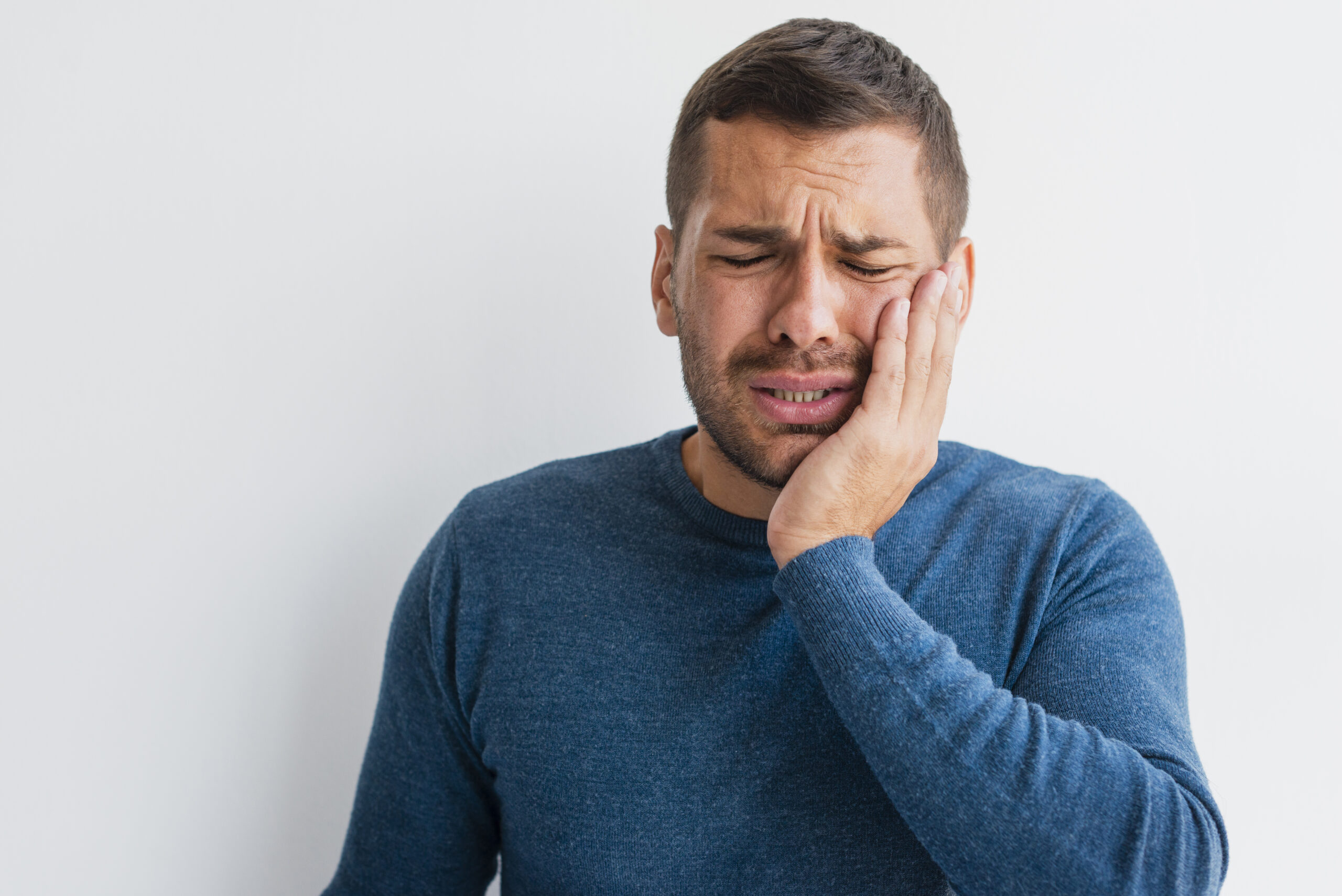
Are you dealing with sharp tooth pain and wondering if it could affect more than just your mouth? You may be surprised to learn the quick answer is yes, severe dental pain can stress your body enough to cause short-term changes in blood pressure. Many patients ask us, can a cracked tooth cause high blood pressure, especially when they notice headaches, tension, or a racing heartbeat along with tooth pain.
Pain is not just a local problem. When the body hurts, it reacts as a whole. At Clove Dental Beverly Hills, we often explain how untreated dental issues can influence overall health, including temporary spikes in blood pressure.
How a Cracked Tooth Causes More Than Just Tooth Pain?
A cracked tooth can expose the inner layers of the tooth where nerves live. Every time you bite, chew, or drink something hot or cold, those nerves can send strong pain signals to the brain. This is not a mild ache. It can be sharp, sudden, and hard to ignore.
When pain becomes intense, your body reacts as if it is under threat. Stress hormones like adrenaline are released. These hormones increase heart rate and tighten blood vessels. That tightening can cause blood pressure to rise for a short period.
The Body’s Stress Response and Blood Pressure
Pain triggers what is known as the “fight or flight” response. When you get scared or surprised, your body gets ready to move fast. It sends more blood to your muscles and important parts of your body.
Here is what happens during that response:
- Heart beats faster
- Breathing may become quicker
- Blood vessels tighten
- Blood pressure rises
If you already have high blood pressure or heart concerns, this reaction can be more noticeable. That is why the question can a cracked tooth cause high blood pressure is especially important for adults with medical conditions.
Pain That Lasts Makes the Effect Stronger
A quick, mild toothache may not change much in your body. But a cracked tooth often causes repeated pain throughout the day. Each time pain flares up, the stress response can start again.
Lack of sleep from throbbing pain can make things worse. When you are tired, the body handles stress less effectively. This can lead to more frequent blood pressure spikes.
Patients sometimes tell us they feel tense, irritable, or even lightheaded when dealing with severe dental pain. These feelings are connected to the same stress hormones that answer the question, can a cracked tooth cause high blood pressure.
Infection Raises the Risk
Sometimes a crack in a tooth allows bacteria to enter the inner pulp. This can lead to infection or an abscess. Infection adds another layer of stress on the body. Your immune system works harder, inflammation increases, and discomfort becomes more constant.
Inflammation in the body has been linked to changes in blood vessel function. A dental infection usually doesn’t cause high blood pressure for a long time, but it can make it go up for a little while. That’s why we think about whether a cracked tooth can affect blood pressure.
Who Should Be Most Careful
Anyone can feel the effects of severe tooth pain, but some people should be extra cautious:
- Adults already diagnosed with high blood pressure.
- People taking heart or blood pressure medications.
- Individuals with a history of heart disease.
- Older adults who are more sensitive to stress.
For these patients, ignoring a cracked tooth is not just a dental issue. Managing pain quickly helps protect overall health.
Why Quick Dental Care Matters?
Treating a cracked tooth often stops the cycle of pain and stress. Depending on the damage, we might suggest bonding, a crown, or root canal treatment. Once we address the cause of your pain, your body can stop being in stress mode.
Many patients notice they feel calmer and sleep better after treatment. This shows how closely the mouth and body are connected. Addressing the cause of pain is one of the best ways to reduce the temporary effects that lead people to ask, can a cracked tooth cause high blood pressure.
Signs You Should Not Ignore
Call a dentist promptly if you notice:
- Sharp pain when biting
- Sensitivity to hot or cold that lingers
- Swelling near a tooth
- Pain that spreads to the jaw or ear
- Throbbing that keeps you awake
These signs may point to a crack or infection that needs care right away.
The Bottom Line
Can a cracked tooth raise blood pressure? Yes. If your tooth hurts a lot, it can make your blood pressure go up for a little while. This isn’t a long-term problem, but it is still important to take care of it.
Fixing a hurting tooth helps more than just your smile. It keeps you healthy. If your tooth hurts and you feel tense or worried, you should see a dentist to feel better.