
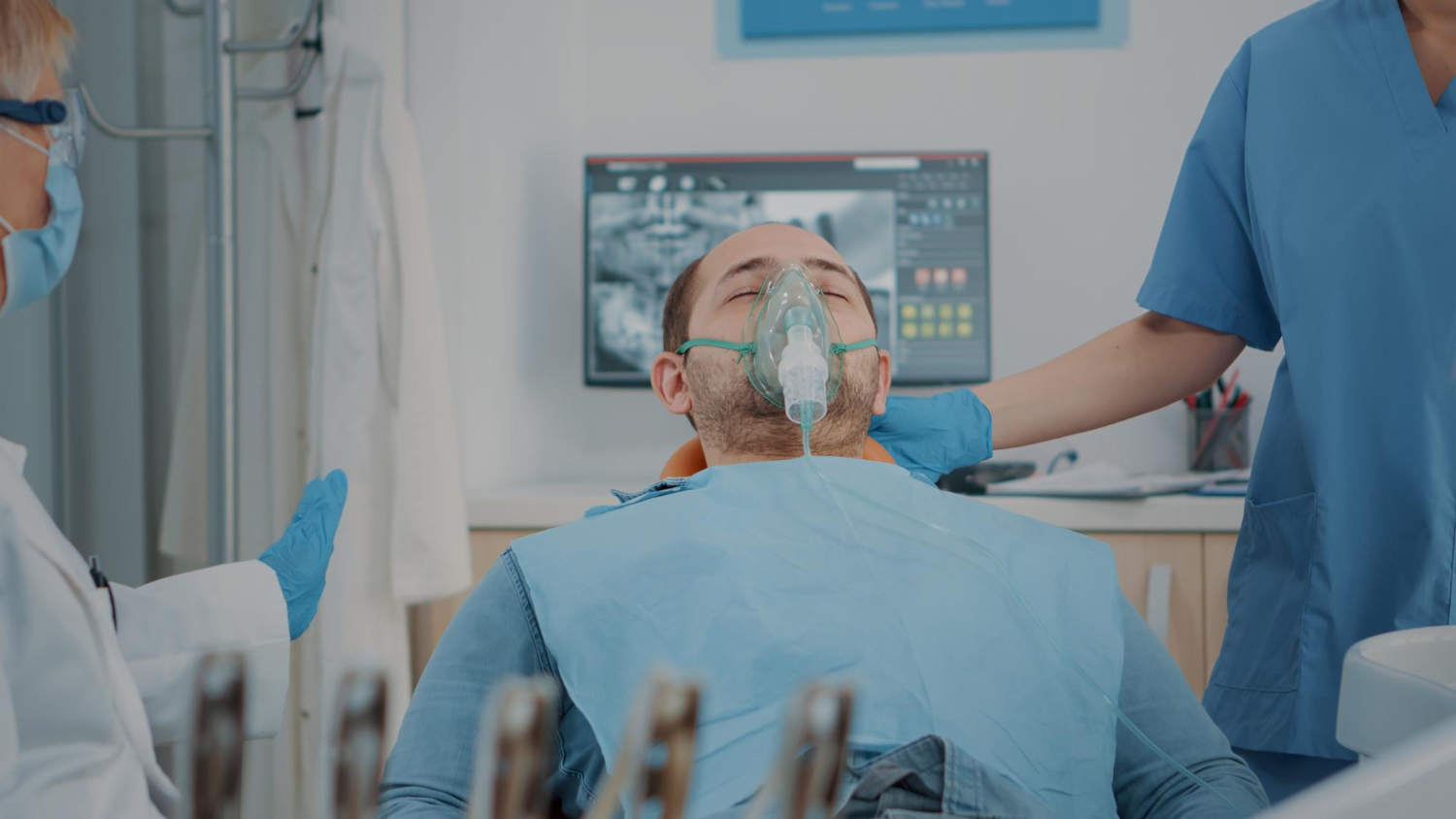
Not every anxious patient needs the same level of help getting through a procedure, and not every procedure calls for the same amount of sedation either. Someone dreading a routine cleaning has a completely different need than someone facing a three-hour surgical extraction. A sedation dentist doesn’t reach for one standard option and apply it across the board, the level chosen depends on the procedure length, the patient’s anxiety history, and sometimes even their pain tolerance from past experiences.
We want to walk through the actual range of sedation options available, because most people only know the word “sedation” without realizing how many different levels exist underneath that single term.
Anxiety Isn’t the Only Factor Being Weighed
People assume sedation is purely about calming nerves, but a sedation dentist is also factoring in procedure length, complexity, and how still a patient needs to stay for precision work.
A forty-minute filling and a multi-tooth extraction call for very different approaches, even for patients with identical anxiety levels walking through the door. Someone with a strong gag reflex might need sedation for a procedure that wouldn’t normally require it for another patient entirely, simply because that reflex makes precise work physically difficult without it.
Nitrous Oxide: The Option People Underestimate
Laughing gas gets treated almost like a joke in casual conversation, but it’s a legitimate, well-controlled sedation method with a genuinely useful property; it wears off within minutes of removing the mask.
Patients stay fully conscious, can answer questions, and typically drive themselves home afterward since there’s no lingering grogginess. It’s often the starting point a sedation dentist suggests for patients with mild anxiety or shorter procedures. Since the dosage can be adjusted in real time throughout the appointment rather than being locked in beforehand.
Oral Sedation: The Pill That Changes the Whole Appointment
Oral sedation involves taking a prescribed pill before the appointment, usually about an hour ahead of time, that produces a much deeper sense of calm than nitrous oxide alone.
Patients remain conscious but often describe the appointment afterward as a blur, some barely remember details of the procedure itself. Because this level requires someone else to drive the patient home, and effects can linger for several hours afterward, a sedation dentist typically reserves this for patients with moderate anxiety or procedures running longer than a standard cleaning.
IV Sedation: Precision Most Patients Don’t Expect
Here’s something rarely explained clearly. IV sedation isn’t just a stronger dose delivered a different way, it offers something oral sedation can’t, real-time adjustment throughout the entire procedure. Because the medication goes directly into the bloodstream, a sedation dentist can increase or decrease the level almost instantly depending on how the patient is responding.
Rather than waiting for a pill to fully metabolize and hoping the dosage was right from the start. This level of control makes IV sedation the preferred option for longer surgical procedures where consistency throughout the appointment matters most.
The Monitoring Side Nobody Talks About
Something that rarely gets mentioned in general blog content: sedation beyond nitrous oxide requires continuous monitoring of vital signs throughout the entire procedure, oxygen levels, heart rate, and blood pressure tracked in real time.
This isn’t a formality, it’s what allows a sedation dentist to catch any unusual response immediately rather than after the fact. Offices offering deeper sedation levels are required to maintain specific certifications and equipment precisely. Because of this monitoring responsibility, which is worth asking about directly if sedation beyond nitrous oxide is being considered.
Matching Sedation to Recovery Time You Actually Have
A detail people rarely factor into their decision: recovery time varies dramatically between these options and should shape which one makes sense for your schedule. Nitrous oxide allows you to walk out and resume your day almost immediately.
Oral sedation typically requires the rest of the day set aside, since grogginess can persist for several hours. IV sedation often needs a full day blocked off, with clearer thinking not fully returning until the following morning in some cases. Planning around these different recovery windows matters just as much as choosing the sedation level itself.
Questions Worth Asking Before You Decide
Bringing specific questions into that consultation changes how well the choice actually fits your situation. Ask how long the procedure is expected to run, whether previous dental experiences involved difficulty getting numb, and how your body has responded to sedation or anesthesia in other medical settings before.
A sedation dentist relies heavily on this history to steer the recommendation toward what’s actually appropriate rather than defaulting to whatever level feels safest to suggest without enough context.
Finding the Right Fit for Your Procedure
At Clove Dental Beverly Hills, we spend real time during consultations understanding what’s actually driving someone’s hesitation before recommending a sedation level, because matching the right option to the right procedure changes the entire experience for the better.
If dental anxiety or a lengthy procedure has kept you from scheduling treatment, talking through these options with a sedation dentist upfront often turns out to be far less complicated than most people expect walking in.