
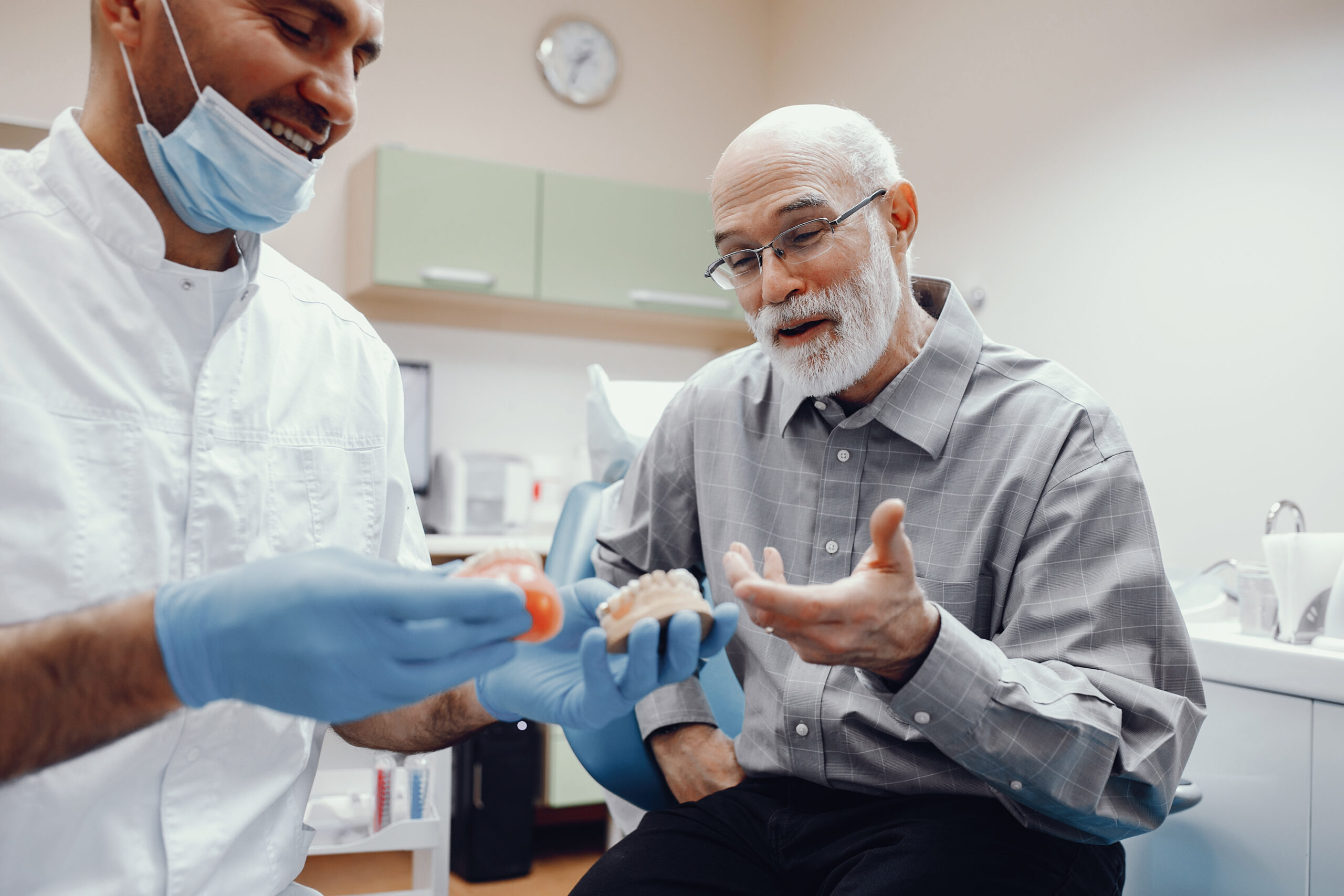
A missing tooth changes more than your smile. It changes how you chew your food, how your other teeth sit in your mouth, and even how you talk. Once that gap opens up, your neighboring teeth start to lean into the space, and your bite slowly shifts out of place.
That’s why so many people looking into dental bridges in Beverly Hills want to know one thing first: which type actually fits their situation? Because “a bridge” isn’t one single treatment. It’s a whole family of options, and picking the wrong one can mean redoing the work later.
We’re breaking down the three main paths so you walk into your dentist’s chair already knowing what questions to ask.
That Gap Isn’t Just Cosmetic
Here’s something most people don’t realize until it happens to them: the space left by a missing tooth doesn’t stay empty. Bone in that area starts to shrink because nothing is stimulating it anymore. Teeth on either side tilt inward. The tooth above or below the gap can even grow slightly longer over time since it has nothing pushing back against it. This is exactly why dentists rarely wait around when someone comes in with a missing tooth, closing that gap early with dental bridges in Beverly Hills protects the rest of your bite from a slow, quiet collapse.
Three Roads to One Fix: Meet the Bridge Family
When we talk about bridges, we’re really talking about three different construction methods that all aim for the same goal; replacing a missing tooth without pulling healthy teeth into the problem unnecessarily.
Fixed bridges are cemented in place. They rely on the two teeth next to the gap, called abutment teeth, which get shaped down slightly to hold a crown on each side. A false tooth sits between them, and the whole unit is bonded so it doesn’t move.
Removable bridges work differently. Instead of being cemented, they clip onto your natural teeth using small metal or resin attachments. You can take them out at night, clean them separately, and put them back in each morning.
Implant-supported bridges skip the neighboring teeth altogether. A titanium post is placed directly into the jawbone, and the bridge attaches to that post instead. No natural teeth get reshaped or involved in the process.
Fixed Bridges: The Old Reliable
This is the option people have used for generations, and it still holds up well. Because it’s cemented rather than clipped, there’s no fumbling with attachments, no taking it out for cleaning, and no adjustment period where it feels loose. You brush it the same way you brush the rest of your teeth.
The tradeoff is that the two teeth beside the gap need to be filed down to accept crowns, which means healthy enamel gets altered permanently. If those neighboring teeth are already strong and cavity-free, some patients hesitate here, and that hesitation is fair.
Removable Bridges: Flexibility Has a Price
We like recommending removable bridges to patients who want a non-permanent solution, maybe because they’re still deciding on a long-term plan, or because cost is a bigger factor right now. You get flexibility. You can clean around the gum line more thoroughly since the bridge comes out. But that flexibility comes with a catch, removable bridges tend to feel less stable when chewing tougher foods, and some patients find the clasps visible when they smile.
Implant-Supported Bridges: Building From the Ground Up
This is where things get interesting, and it’s the option we get asked about the most at Clove Dental Beverly Hills. Instead of borrowing support from nearby teeth an implant-supported bridge creates its own foundation inside the jawbone.
This matters for one big reason: it stops the bone loss we mentioned earlier, because the implant post keeps stimulating the bone the same way a natural tooth root would. It also means your other teeth stay untouched and unfiled. The process takes longer since the jawbone needs time to heal around the implant post before the bridge goes on top, but for people replacing more than one tooth, this route often holds up the longest.
Which One Fits Your Mouth (and Your Life)
There isn’t a universal winner here, and anyone who tells you otherwise is skipping details. Someone with strong, healthy teeth next to their gap and a tighter budget might do better with a fixed bridge.
Someone who isn’t ready to commit to a permanent solution yet might prefer removable. Someone missing multiple teeth in a row, or dealing with ongoing bone loss, often benefits most from implant-supported dental bridges in Beverly Hills.
What we always tell patients is this: the right choice depends on your bone density, your bite pattern, your budget, and honestly, how much maintenance you’re willing to do day to day.
What Happens on the Day You Walk In
Your first visit isn’t about picking a bridge off a menu. It usually starts with X-rays to check bone health, an exam of the teeth around the gap, and a conversation about your daily habits. Do you grind your teeth at night, do you play contact sports, how often can you come in for follow-ups? All of that shapes which of the three options makes sense for dental bridges in Beverly Hills in your specific case.
Caring for Your New Bridge Like It’s Part of You
Whichever type you choose, the daily habits stay fairly similar. Floss threaders or water flossers help clean under fixed and implant bridges since regular floss can’t slide through the same way.
Removable bridges need a nightly soak and a gentle brush, never toothpaste with heavy abrasives. Routine checkups still matter just as much as they did before, since gum health around the bridge determines how long it lasts.
Missing teeth don’t fix themselves, and waiting usually just adds more steps to the process later. If you’re weighing your options for dental bridges in Beverly Hills, we’re happy to walk through your X-rays and bite pattern together and figure out which of these three paths actually suits your mouth. At Clove Dental Beverly Hills, we’d rather spend extra time explaining the difference now than have you redo treatment down the road.