
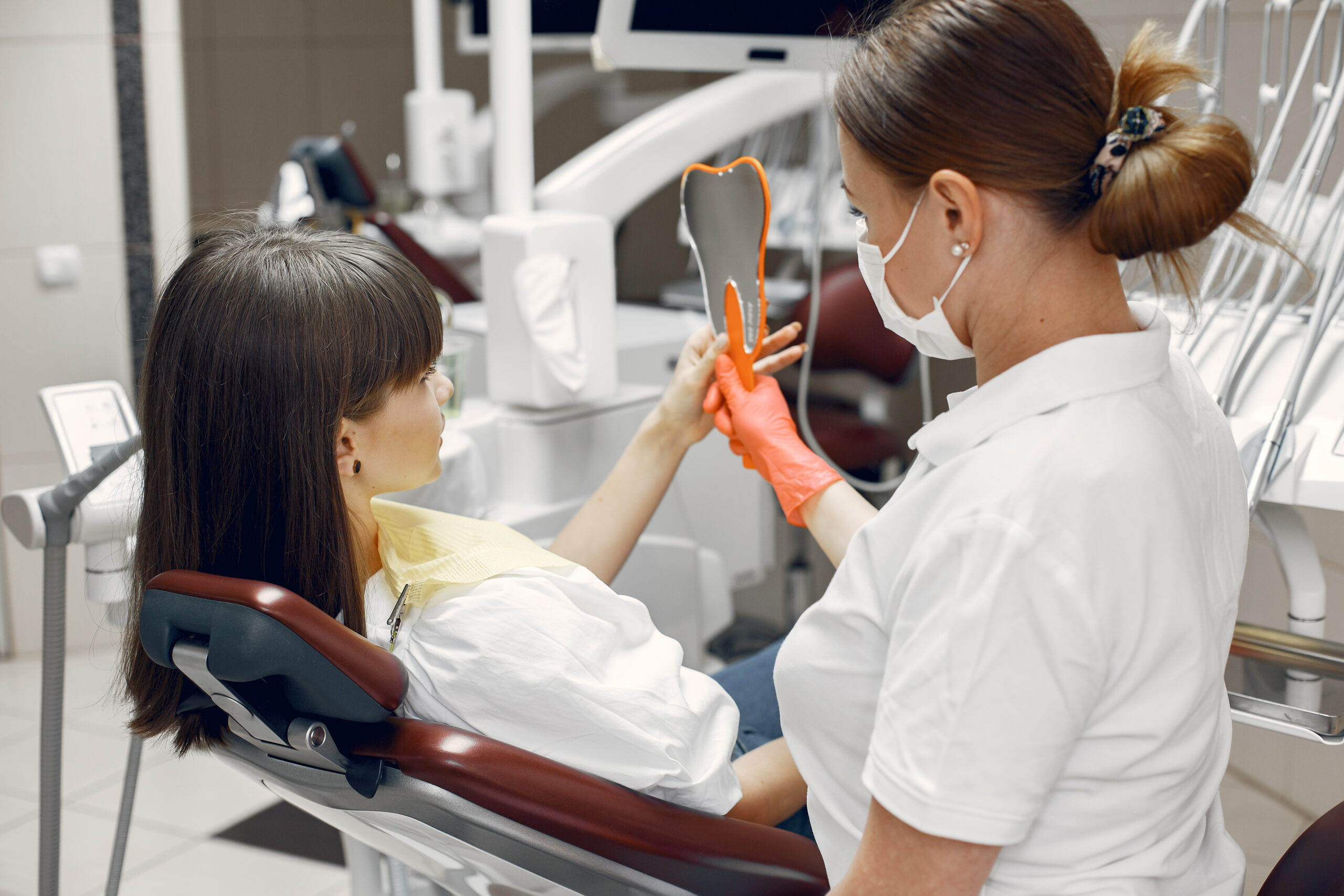
She came in knowing it had been too long. Nine years is a long time, and she was aware of every one of them. She’d thought about going back often during a persistent toothache that eventually faded, during a sensitivity she trained herself to work around, during every photo where she kept her lips slightly together out of habit. She knew. She just couldn’t make herself go.
The thing that finally made it possible was a phone call specifically, learning that sedation dentistry in Beverly Hills didn’t mean general anesthesia. Didn’t mean an IV. Didn’t mean waking up in a recovery room with no memory of the day. It meant a consultation, a prescription for an oral sedative, a driver to bring her home, and an appointment she could actually get through.
She came in. She was calm. She got through the full exam and X-rays without the spiral of anxiety that had derailed every previous attempt. And at the end of the appointment, she felt some unexpected relief that was almost immediately complicated by the treatment plan sitting in front of her.
Nine years of deferred care doesn’t disappear because the appointment finally became manageable.
What Sedation Actually Does Precisely
Sedation dentistry in Beverly Hills, in the forms most commonly used for anxious patients, reduces the experience of anxiety without eliminating consciousness. Understanding exactly what it does and doesn’t do is important before walking in with expectations that the procedure can’t meet.
Nitrous oxide works through inhalation, via a small nasal mask, and takes effect within minutes. It produces a mild anxiolytic and analgesic effect, reduced anxiety, slightly elevated pain threshold, a sense of calm detachment from what’s happening. The patient is fully present and responsive throughout. The effect reverses completely within 15 minutes of removing the mask, which means driving yourself home afterward is possible. It doesn’t sedate in any meaningful clinical sense; it simply lowers the physiological anxiety response enough to make the appointment tolerable.
Oral conscious sedation goes further. A Beverly Hills sedation dentist prescribes a benzodiazepine medication triazolam or a similar drug taken before the appointment. The effect is deeper: most patients are drowsy, experience time compression, and have partial or no memory of the procedure. They remain conscious and responsive to instructions throughout. A driver home is required, and the drowsiness may persist for several hours. But the subjective experience of the appointment is dramatically different from an unsedated one for patients with significant anxiety.
Both approaches achieve the same goal: allowing a patient to access care they’ve been avoiding, comfortably and safely, without the complexity of IV sedation or general anesthesia.
What neither approach does is treat the dental disease that developed while the patient was avoiding care.
The Backlog That Sedation Reveals
This is the part of the sedation conversation that doesn’t always get enough honest attention. And it’s the part that matters most for patients who’ve been away for years.
Dental anxiety creates avoidance. Avoidance creates a treatment backlog. Sedation dentistry in Beverly Hills solves the access problem and makes the appointment possible. It doesn’t accelerate dental healing or undo the effects of years without professional care.
For a patient who’s been away nine years, the first comfortable appointment is not the end of the story. It’s the beginning of a treatment phase that may span many months. The cavities that developed quietly in those nine years are still there. The gum inflammation that progressed without professional cleaning is still there. The tooth that showed early signs of a problem six years ago has had six years to progress without intervention. All of that becomes visible at the first comprehensive exam and the treatment plan that results can feel overwhelming to someone who came in hoping they’d gotten away with it.
At Clove Dental Beverly Hills, the Beverly hills sedation dentist consultation includes setting that expectation honestly. The first appointment is the hardest psychological milestone, and getting through it is genuinely worth acknowledging. But it is not the last clinical appointment. Patients who understand that in advance handle the treatment phase considerably better than those who discover it while still in the chair.
What Sedation Dentistry Is Actually Building
The deeper purpose of sedation dentistry in Beverly Hills for highly anxious patients isn’t just procedural access. It’s the beginning of rebuilding a relationship with dental care that may not have had a positive version since childhood.
What we’ve seen consistently at Clove Dental Beverly Hills is that patients who have a genuinely comfortable first sedated experience begin sometimes for the first time to distinguish between the fear they carried into the appointment and the actual experience of the appointment itself. Those two things are different. The fear is based on accumulated anticipation. The experience, under appropriate sedation, is manageable. That distinction is meaningful.
By the second or third visit, many patients find they need less sedation. By the sixth, some don’t need it at all. The phobia doesn’t disappear but it loses its grip when the predicted worst-case scenario doesn’t materialize, repeatedly, over time.
That’s the longer arc of what a Beverly Hills sedation dentist is working toward. Not just a single tolerable appointment. A patient who can access preventive care regularly enough that the backlog never accumulates again so that nine years never becomes the gap, next time.
Who This Conversation Is For
The assumption is that sedation dentistry in Beverly Hills is reserved for major procedures, extractions, implants, and extensive reconstruction. In practice, the patients who benefit most from it are often those who need the most routine care but have avoided it long enough that getting in the door has become the obstacle. Cleanings. X-rays. Basic fillings. Standard care that anyone without anxiety would handle without a second thought.
If you’ve been avoiding the dentist for more than two or three years and the avoidance is driven by anxiety rather than access, the conversation about sedation is worth having before you decide anything else. The first step is making the appointment possible. Everything that needs to happen clinically follows from there.
That’s what changed for the patient who’d waited nine years. Not everything. But enough.