
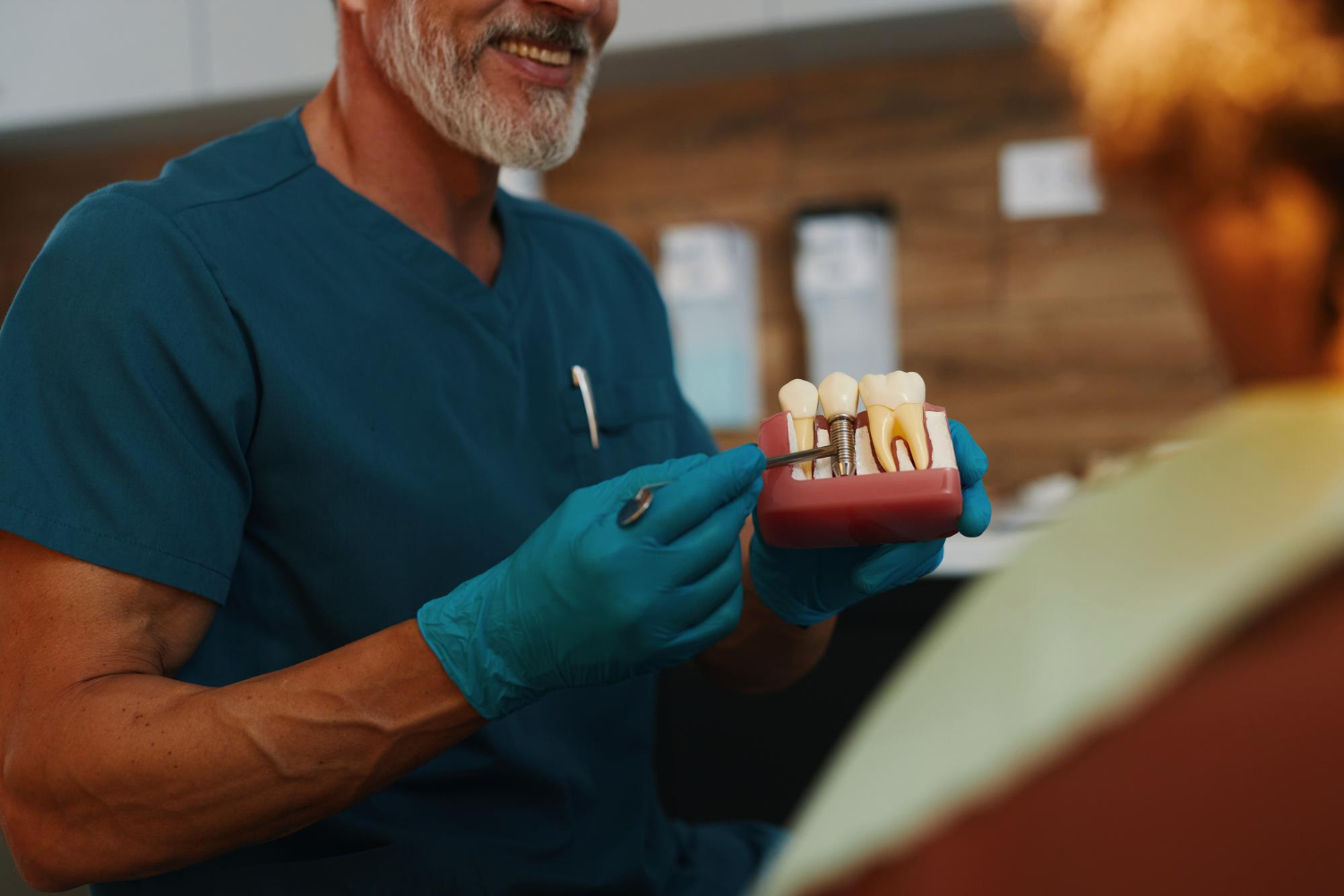
Ask five different people how long a dental implant takes, and you’ll probably get five different answers. One person finished in four months. Another waited close to a year. Neither of them is wrong, and neither of them was misled by their dentist. The honest truth about dental implants in Beverly Hills is that the timeline was never a fixed number to begin with; it depends on what’s happening inside your jaw long before the implant post ever goes in.
We get asked about timing more than almost anything else, so let’s walk through the three things that actually control how fast or slow your treatment moves.
Factor One: What Your Jawbone Looked Like Before You Started
This is the part nobody warns you about ahead of time. An implant post needs enough solid bone around it to stay anchored, the same way a fence post needs enough packed soil to stand upright in wind. If a tooth has been missing for years, the bone in that area has likely shrunk since nothing was stimulating it anymore.
In that case, a bone graft comes first, and that graft needs three to six months just to fuse and harden before the implant post can even be placed. Someone who lost a tooth recently, where the bone is still intact, can often skip that entire stage. This single difference is why two people asking about dental implants in Beverly Hills can walk out with completely different timelines on day one.
Factor Two: The Healing Style Your Body Chooses
Bone doesn’t heal on a universal schedule. It heals based on your biology, and that’s something no dentist can speed up with better technique alone. Non-smokers with well-managed blood sugar levels tend to fuse implant posts to bone, a process called osseointegration, within three to four months.
Smoking slows blood flow to healing tissue, which can stretch that same fusion period out considerably. Uncontrolled diabetes does something similar. This is one of the more overlooked pieces of dental implants in Beverly Hills; the surgery itself might only take an hour, but the body’s healing pace afterward is what actually sets the calendar.
Factor Three: Immediate Load Versus Traditional Staging
Here’s something that surprises a lot of patients. Not every implant needs to sit untouched under the gum for months while it heals. In certain cases, where bone density is strong and the bite forces line up well, a temporary crown can go on the same day as the implant post, a method called immediate loading.
This isn’t right for everyone, and dentists are selective about who qualifies, but when it works, it can shave months off the overall process. Traditional staging, where the implant heals fully covered before any crown is attached, remains the safer default for most cases involving dental implants in Beverly Hills, particularly in the back teeth where chewing pressure is highest.
A Timeline Nobody Talks About: The Waiting Between Appointments
Beyond bone and biology, there’s a quieter factor that rarely gets mentioned in blogs about implants scheduling gaps. Lab fabrication for the final crown, insurance approvals, and simply finding appointment slots that work around a patient’s calendar can add weeks that have nothing to do with healing biology at all.
We’ve seen treatment plans stretch simply because a patient traveled for work during a critical healing window and pushed their follow-up back a month. It’s not dramatic, but it’s real, and it’s worth factoring in when you’re mentally planning your own timeline.
So What Does an Average Case Actually Look Like?
If we had to sketch out a common scenario: a patient with a healthy existing bone, no grafting needed, and steady healing might complete treatment in four to six months from consultation to final crown.
Someone needing a bone graft first is often looking at eight months to a year. Neither timeline is unusual, and neither means something went wrong. It simply reflects where your mouth was standing at the very first visit.
Why Rushing Rarely Pays Off
We understand the urge to get it done fast, especially when a missing tooth is affecting how you eat or speak. But pushing a crown onto an implant before it’s fully fused to bone is one of the more common reasons implants fail early.
Patience during the healing stage isn’t dentists being overly cautious; it’s what makes the difference between an implant that lasts fifteen years and one that needs to be redone within three.
Planning Your Own Timeline
At Clove Dental Beverly Hills, the first conversation we have isn’t about the implant itself, it’s about your bone, your health history, and your daily habits, because those three things shape everything that comes after.
If you’re weighing dental implants in Beverly Hills and want a realistic sense of your own timeline rather than a generic average, that starts with a proper scan and an honest look at what your jaw needs before any post goes in. Every mouth writes its own schedule, and knowing yours upfront saves a lot of guesswork later.