
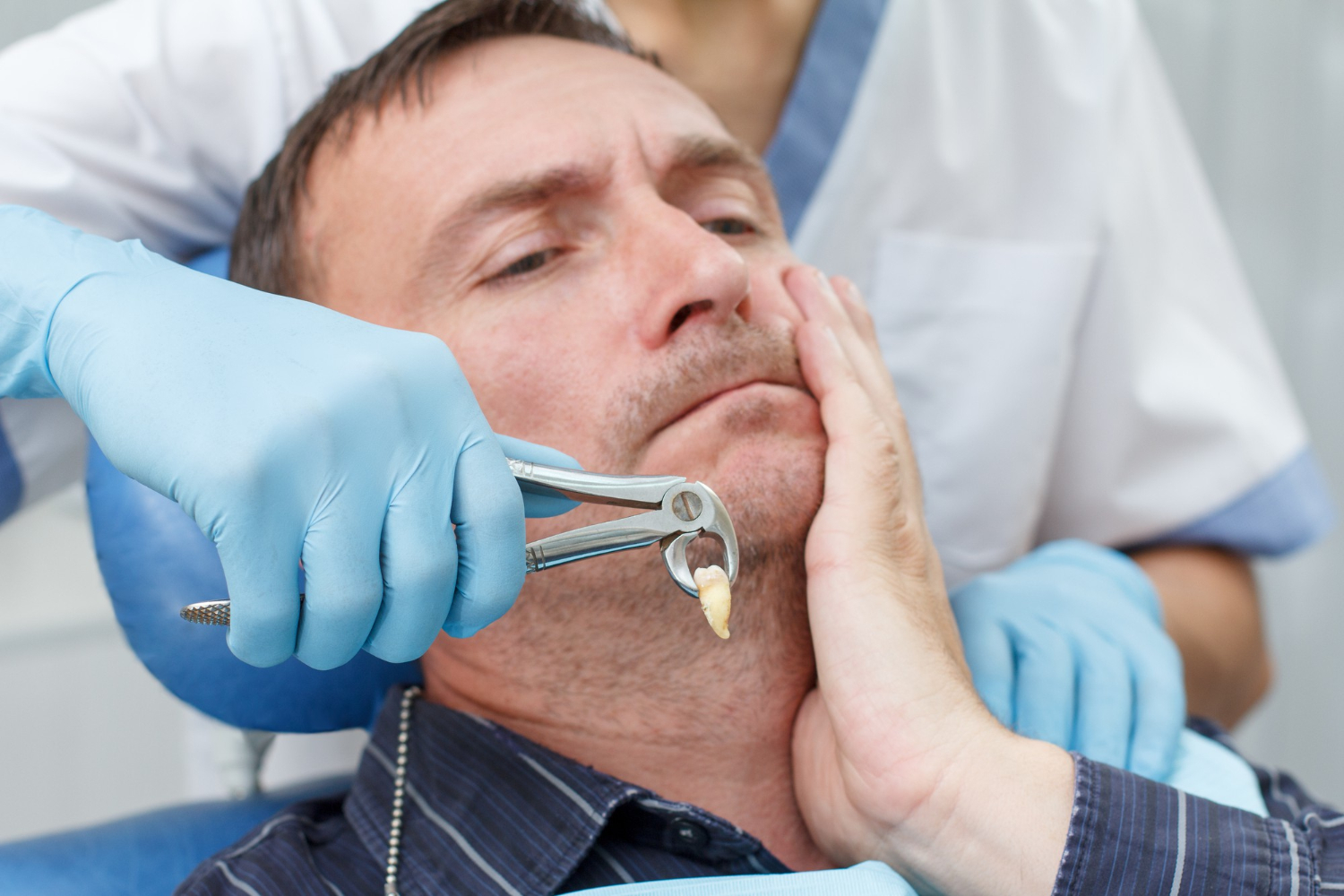
The moment a tooth comes out, most people assume the story ends there, numbness fades, the gap closes up eventually, life moves on. What’s happening underneath that gap is a lot more involved than most patients ever get told. Bone remodels, tissue rebuilds in stages, and decisions made in the days right after tooth extraction in Beverly Hills often shape what your options look like months down the line, whether that’s an implant, a bridge, or leaving the space as is.
We want to walk through what’s genuinely happening inside that socket after the tooth leaves, because understanding it changes how people think about the weeks that follow.
The Clot Nobody Explains Well Enough
Right after extraction, a blood clot forms inside the socket, and this clot is doing far more than just stopping bleeding. It acts as the foundation for everything that happens next, new tissue and bone eventually build on top of this initial clot structure.
This is exactly why dentists give such specific instructions about avoiding straws, spitting forcefully, or smoking in the first day or two, dislodging that clot doesn’t just cause discomfort, it disrupts the entire healing sequence that’s supposed to follow.
Losing this clot early is the root cause behind dry socket, one of the more painful complications tied to tooth extraction in Beverly Hills.
Bone Doesn’t Wait Politely for You to Decide
The bone that once surrounded your tooth root starts remodeling almost immediately after extraction. And a noticeable amount of that bone volume can be lost within the first few months if nothing is placed in the socket to preserve it.
This isn’t a slow, decades-long process, the most significant shrinkage often happens surprisingly early. This is exactly why dentists frequently discuss socket preservation grafting on the same day as tooth extraction in Beverly Hills, packing bone graft material into the socket right away rather than waiting to see what happens.
Why Some Sockets Get Grafted and Others Don’t
Not every extraction needs a bone graft immediately. If someone plans to leave the space permanently empty, or intends to fill it with a removable option rather than an implant, grafting matters less.
But for anyone even considering an implant down the road, preserving that bone volume now avoids a much bigger grafting procedure later, since rebuilding lost bone after the fact is more involved than simply maintaining what’s already there.
This single decision point, made right at the time of tooth extraction in Beverly Hills, often determines how straightforward or complicated future replacement options end up being.
The Timeline Between Extraction and Replacement
A question that comes up constantly: how soon can a replacement go in? The answer depends heavily on what kind of replacement is planned.
Immediate implants, placed the same day as extraction in select cases, work well when bone quality and gum health line up favorably. More commonly, dentists wait a few months for the socket to heal and stabilize before placing an implant, giving that grafted or naturally healing bone time to become solid enough to support one.
Bridges typically wait for gum tissue to settle into its final shape, since building a bridge over still-healing tissue can affect the fit once swelling fully resolves.
What Dry Socket Feels Like and Why It Happens
Dry socket deserves clearer explanation than it usually gets. It happens when that initial blood clot dislodges or dissolves too early, exposing bone and nerve endings directly to air, food, and bacteria.
The pain typically starts two to four days after extraction, often described as a deep, radiating ache that spreads toward the ear or eye on the same side. It’s more common in lower back teeth extractions, smokers, and situations involving more difficult or lengthy tooth extraction in Beverly Hills. Recognizing this timeline helps patients tell the difference between normal post-extraction soreness and something that needs a follow-up visit.
The Diet Shift That Speeds Things Along
Something rarely detailed with any specificity: the texture progression after extraction matters more than most people realize. The first day or two calls for genuinely soft foods, not just “avoid crunchy things” advice, think smooth soups, mashed foods, and anything that requires zero chewing pressure near the site. By day three or four, slightly firmer foods can usually be reintroduced on the opposite side of the mouth. Rushing back to normal chewing too early on the extraction side is one of the more overlooked reasons healing gets delayed or clots get disturbed unnecessarily.
Planning Ahead Instead of Reacting Later
The biggest shift in how dentists approach this today compared to years ago is timing, decisions about grafting, future replacement, and even the extraction technique itself get planned before the tooth ever comes out, not figured out afterward as an afterthought. This forward planning is what separates a straightforward, well-managed healing process from one that ends up needing extra intervention later simply because early opportunities were missed.
At Clove Dental Beverly Hills, we talk through replacement plans before the extraction happens whenever possible, because the choices made on day one genuinely shape what your options look like for tooth extraction in Beverly Hills months down the line. A tooth coming out doesn’t have to mean scrambling for a plan later, it can be the first step in a plan that’s already been thought through.